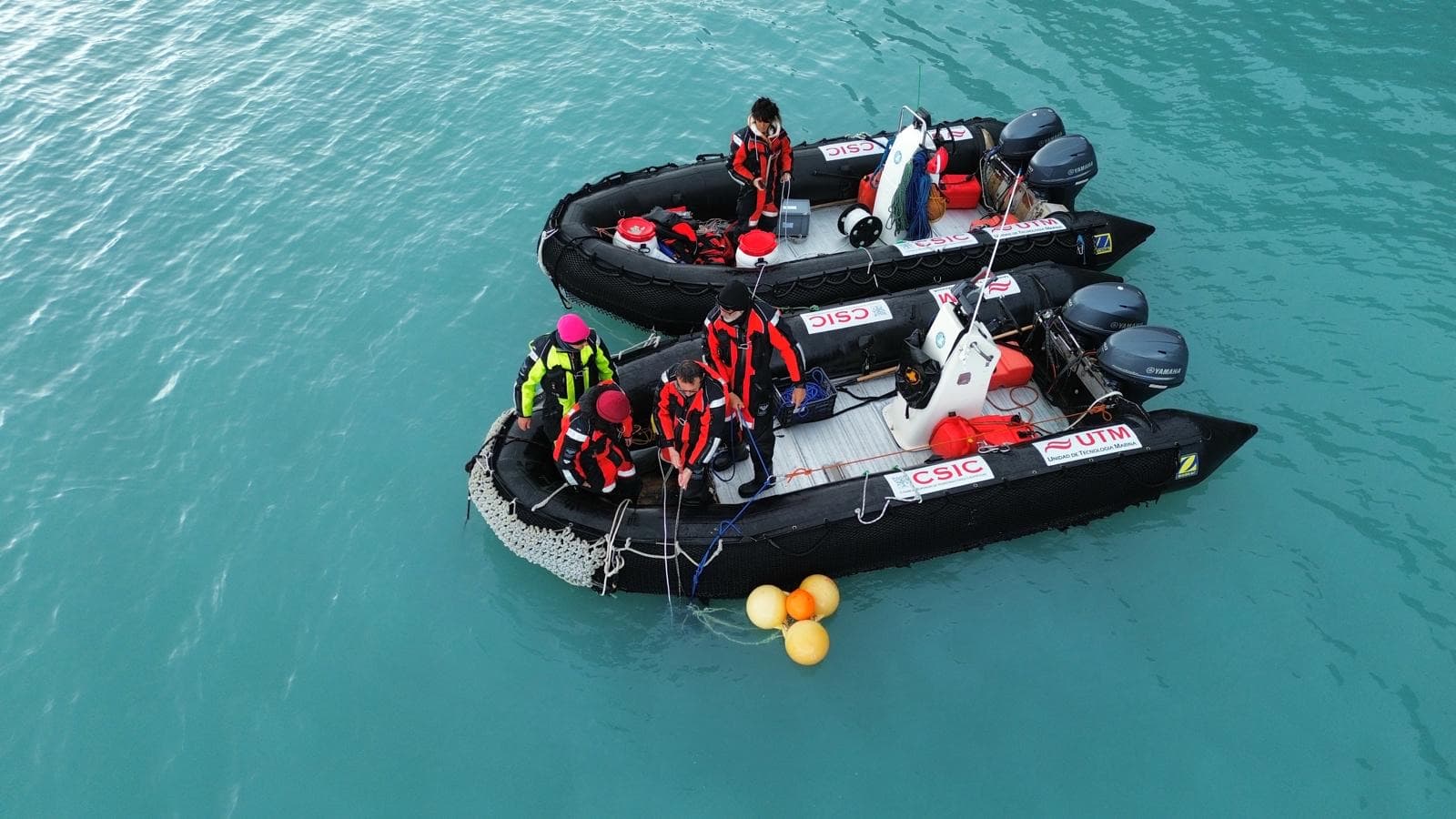
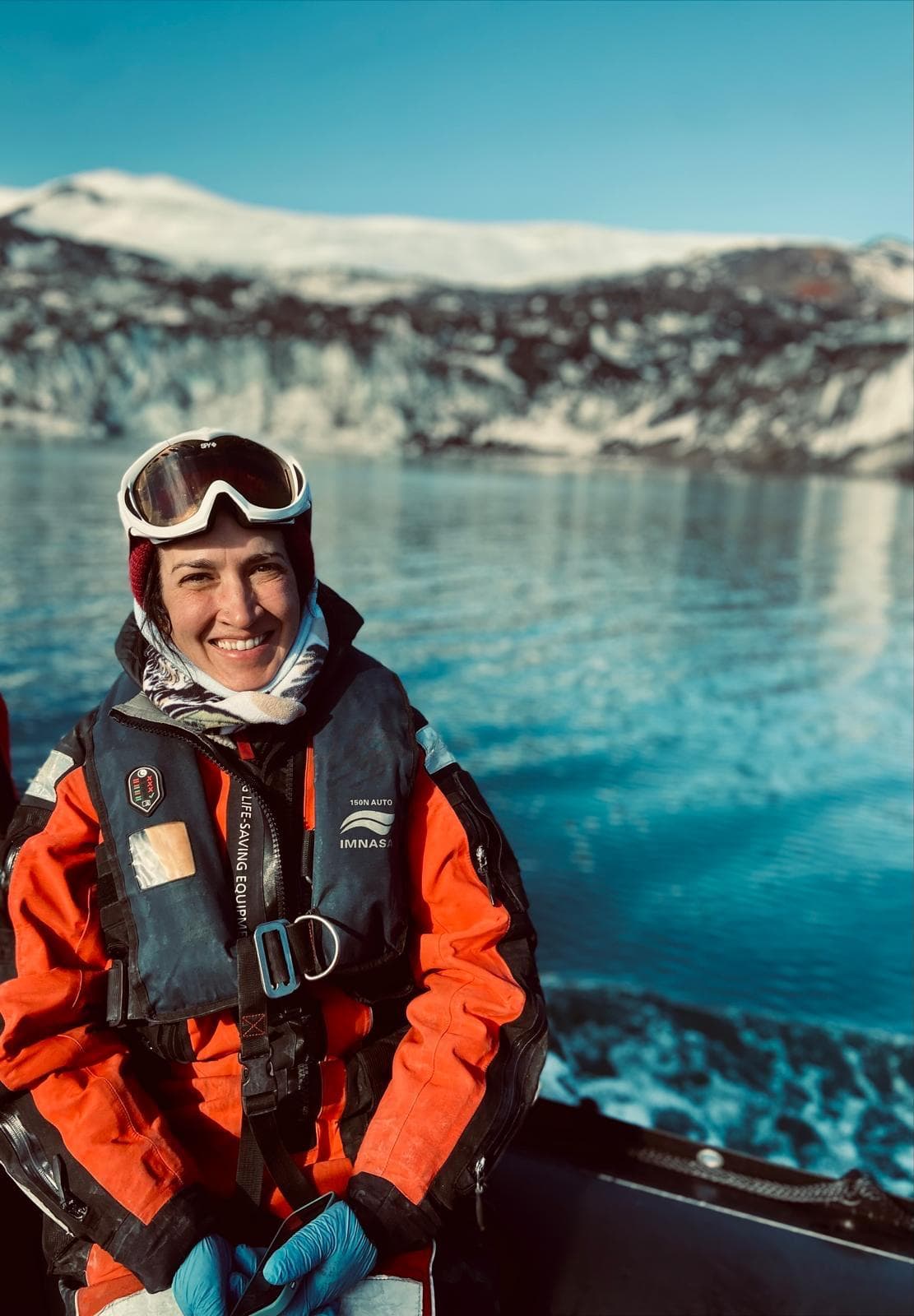
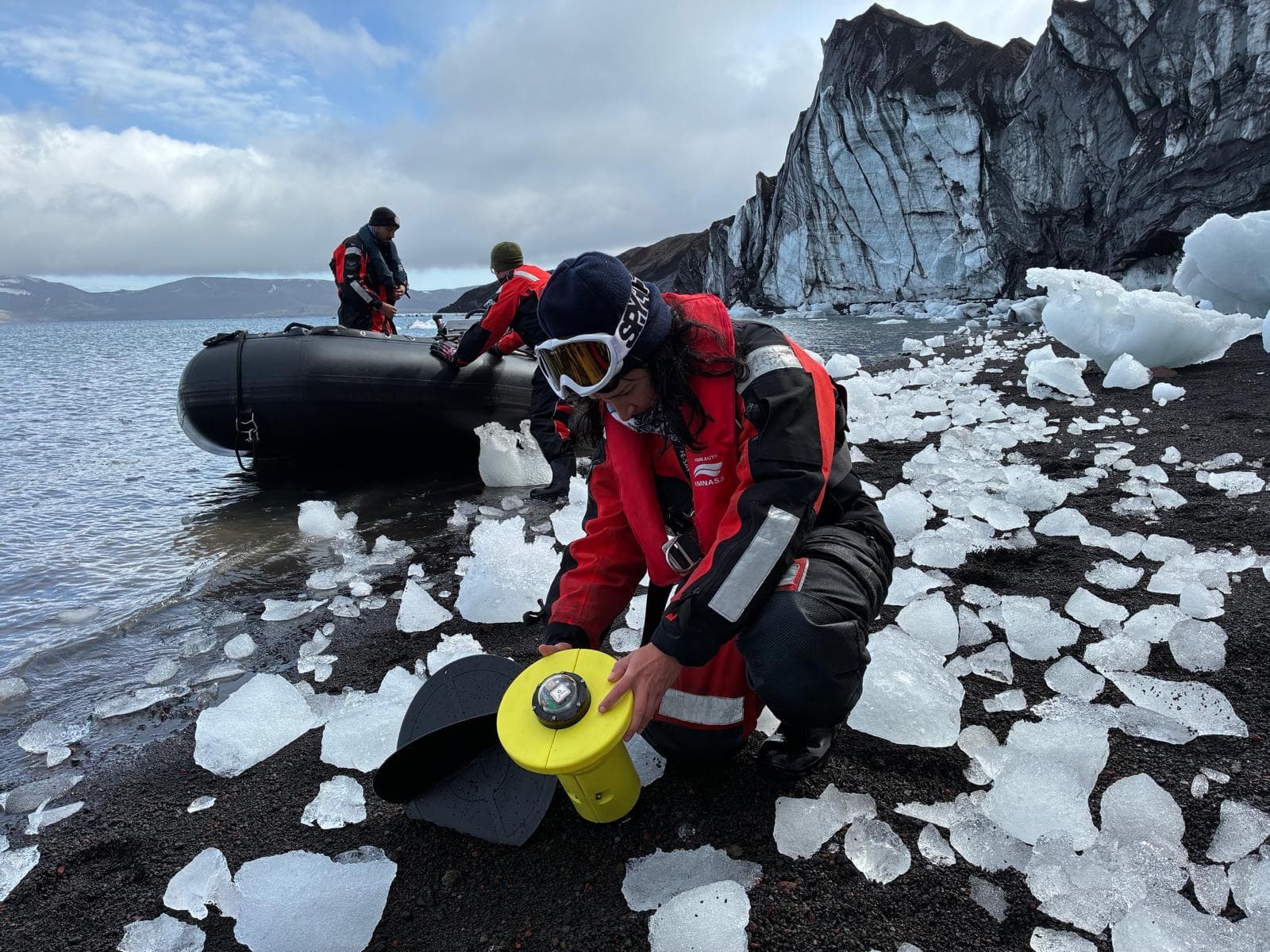
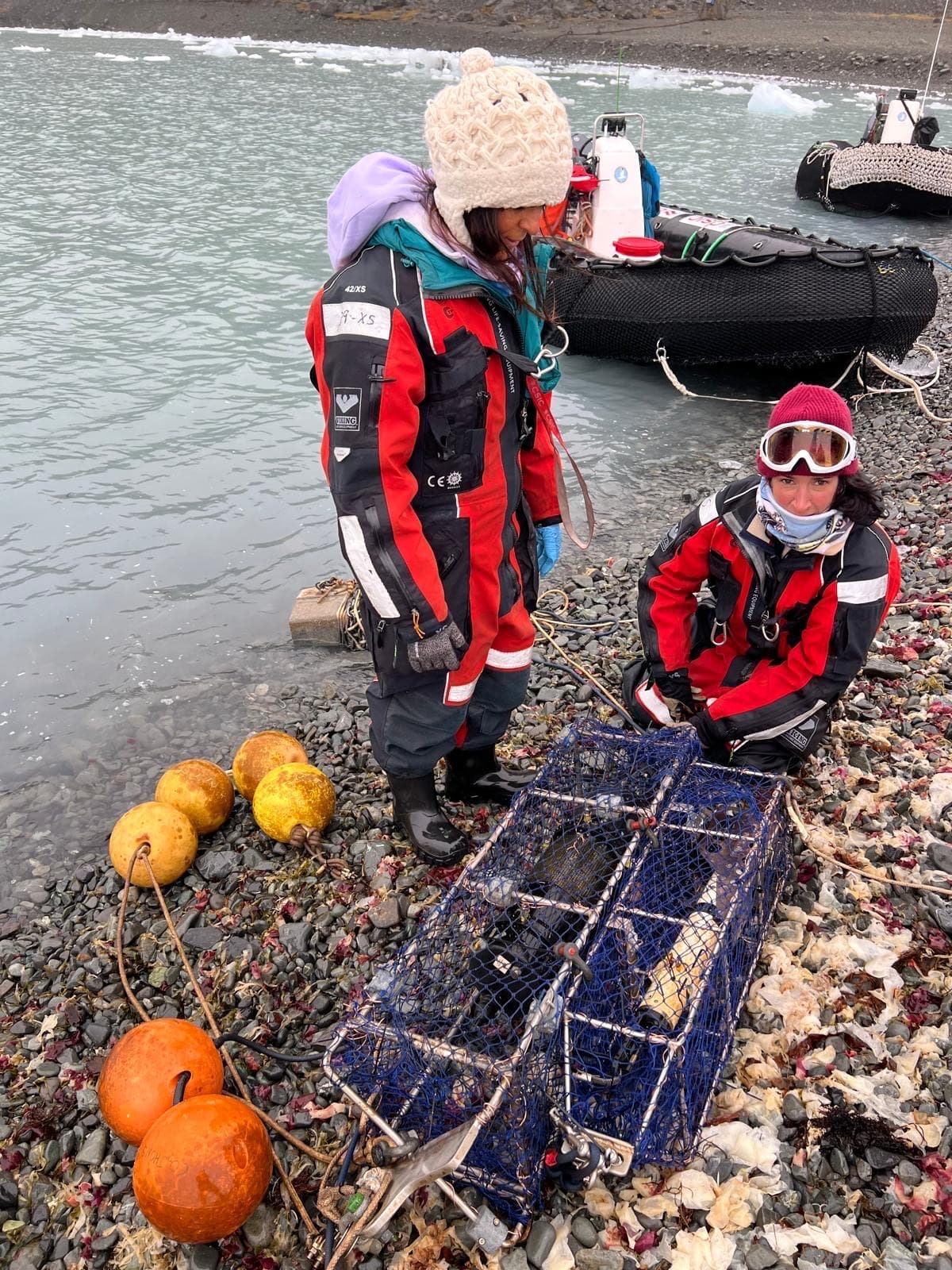
Aerial view of the COJOHNS mooring deployment — Johnsons Cove, Livingston Island, Antarctica
At a glance
SCI publications
33
H-index (GS)
18
Citations (GS)
816
Oceanographic cruises
50
Days at sea
287
Bibliometric data updated October 2026.
01 /
Profile
I am a PhD in Marine Sciences (Universidad de Cádiz, 2015 — Summa Cum Laude, Extraordinary PhD Award & International Mention) specialised in ocean biogeochemistry, with a research focus on the carbon system, ocean acidification, dissolved greenhouse gases and the application of artificial intelligence to long-term oceanographic observation.
Since December 2024, I am a Postdoctoral Researcher under the competitive MOMENTUM programme (2024–2028) at the Instituto de Ciencias Marinas de Andalucía (ICMAN-CSIC) in Cádiz, Spain, where I lead the OCEAN–IA research line — a framework that integrates oceanographic, meteorological and geophysical observations with deep learning to diagnose, reconstruct and predict the impact of natural and anthropogenic pressures on coastal, shelf and deep-sea ecosystems.
0133 peer-reviewed articles (25 in Q1 JCR), 3 publications in the global Top 10 % most-cited in their fields
02Principal Investigator of 6 competitive projects — over €359 k of funding captured as PI
03Coordinator of the Gibraltar Fixed Time Series (GIFT) since 2008 and co-founder of the Balearic Ocean Acidification Time Series (BOATS) since 2018
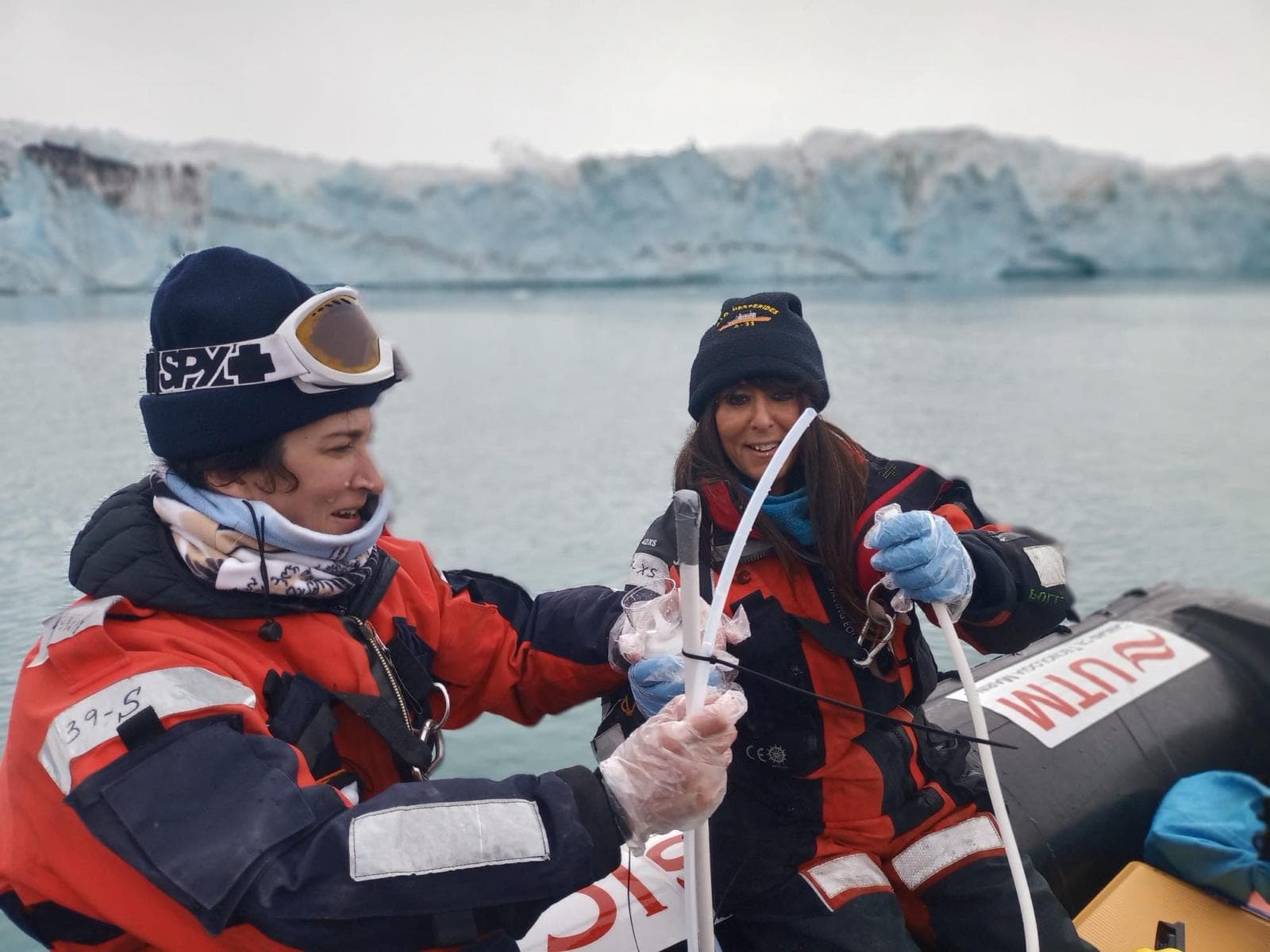
04Fieldwork across the Southern, Atlantic, Baltic and Mediterranean oceans — 287 days at sea, 180+ field campaigns
05International collaborations with institutions in Europe, America, Asia and Africa
06Representative of the Mediterranean node in the steering committee of ICONEC (GOA-ON) and coordinator of the Risks & Hazards area of Conexión Polar CSIC
07Research outputs cited in the IPCC SROCC (2019), the IPCC AR6 — WGI Chapter 5 (2021) and Synthesis Report (2023) — and the CLIVAR-Spain 2025 national assessment
02 /
Research lines
Two complementary lines: measuring how the ocean’s carbon system is changing, and building AI tools to reconstruct and predict it.
CO₂ · CH₄ · N₂O
Carbon system & greenhouse gases
Ocean–atmosphere CO₂, CH₄ and N₂O fluxes
Ocean acidification and deoxygenation
Coastal, shelf and deep-sea biogeochemistry
Polar and Mediterranean carbon dynamics
OCEAN–IA
AI for the ocean
Deep learning for pH, CO₂ and GHG reconstruction
Long-term time-series analysis (GIFT, BOATS)
Integration of oceanographic, meteorological and seismic data
Open, reproducible tools aligned with FAIR principles
03 /
From the Strait of Gibraltar to Antarctica
Field sites span more than 100 degrees of latitude — from the Baltic and the Mediterranean to the western Antarctic Peninsula.
Approximate coordinates
Long-term observatories
GIFT
Since 2008
Gibraltar Fixed Time Series
Strait of Gibraltar · 35.92°N 5.75°W
Long-term oceanographic series based on high-frequency sampling of biogeochemical and physical variables in the Strait of Gibraltar, monitoring the exchange of water masses between the Atlantic and the Mediterranean.
BOATS
Since 2018
Balearic Ocean Acidification Time Series
Balearic Sea · 39.49°N 2.62°E
Coastal observation network in the Balearic Sea, with emphasis on Posidonia oceanica meadows, providing high-frequency pH and biogeochemical monitoring for ocean acidification assessment in Mediterranean coastal waters.
COJOHNS
Since 2024
Carbon Observatory Johnson
Livingston Island, Antarctica · 62.66°S 60.37°W
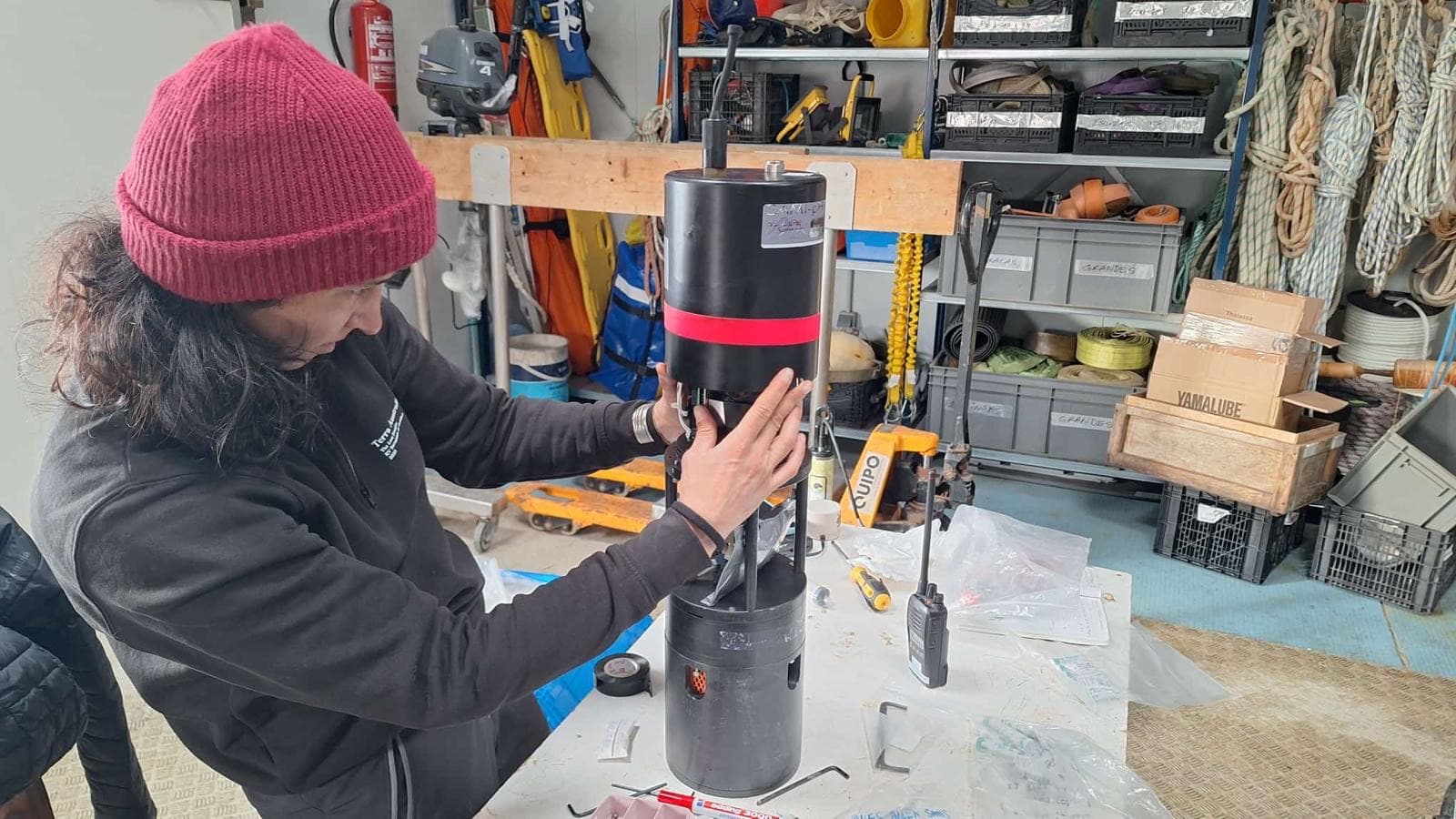
High-frequency time series of seawater pH, pCO₂ and additional environmental variables (temperature, salinity, dissolved oxygen, chlorophyll) in Johnsons Cove (Caleta Johnson), Livingston Island (South Shetland Islands, Antarctica) — a glacier-influenced embayment adjacent to a tidewater glacier on the western Antarctic Peninsula.
Flecha, S., Amaya-Vías, S., Medina, M., Fraile-Nuez, E., Jiménez-Morales, V., Contreras-Guijarro, G., Díez-Minguito, M., Caballero-Martínez, O.A., Navarro, G., Tovar-Sánchez, A., Huertas, I.E.